Inside the Social World of Children: How Friendships Really Work
Dec 03, 2025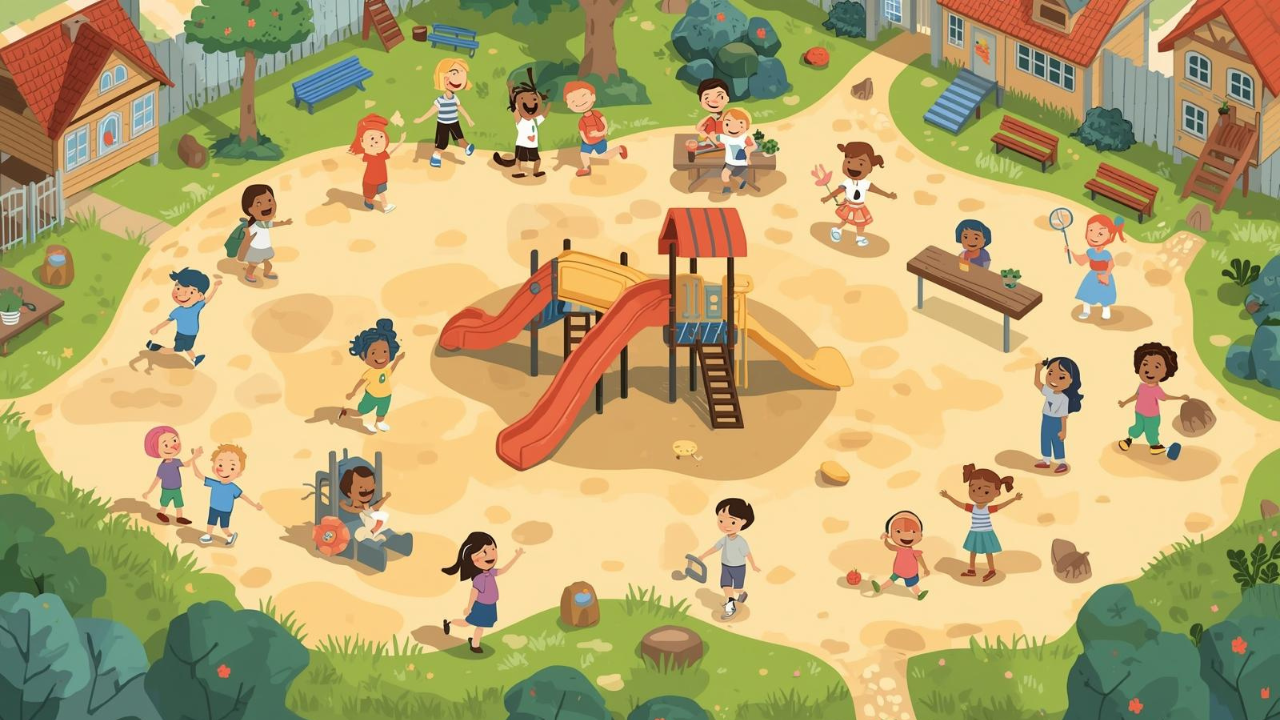
Childhood friendships look simple from the outside — chasing around playgrounds, laughter, and secret handshakes. But underneath all of that lies a surprisingly complex social world filled with unspoken rules, shifting group dynamics, big emotions and developing social skills that adults often forget were ever part of growing up.
What I see every day in my work is that friendship difficulties are not signs that something is “wrong”. They are signs a child is learning the skills that shape their confidence, resilience and social understanding.
Here’s what actually drives childhood friendships - and what helps children thrive within them.
RULE 1: Proximity First, Personality Later: How Children Actually Pick Friends
While Adults connect over shared values, interests or deeper conversations, childhood friendships often begin with simple, situational moments like:
- “We sit together in class”
- “She was playing what I wanted to play”
- “He was on the swing when I got there”
This isn’t superficial it’s developmental. Young brains gravitate toward what feels safe and familiar.
What this means:
When classes, teachers or playground routines change, friendships often change too. Not because your child has done anything wrong, but because their social environment has shifted.
RULE 2: The On-Again Off-Again Nature of Childhood Friendships
One day they’re inseparable.
The next day they’re “not friends anymore”.
Two days later they’re planning a sleepover.
It may feel dramatic to adults, however, it’s actually developmental.
Children are practising essential social skills including:
- Setting boundaries
- Including others
- Handling disagreements
- Loyalty
- Shared decision-making
- Managing independence
These shifts teach them the very skills adults use in workplaces, families and relationships everyday. Your child is not being inconsistent, they are growing.
RULE 3: Understanding “Difficult” Friendships in Childhood
Sometimes a child gravitates toward a friend who:
- Dominates the play
- Takes the lead a little too strongly
- Stretches their emotional boundaries
Why does this happen?
That friend is meeting an emotional need whether that may be excitement, stability, approval, belonging or routine.
Developmentally, children choose relationships based on familiarity first, not on compatibility. Their brain looks for what feels known, not necessarily what feels balanced.
RULE 4: Conflict and Repair: How Children Learn to Build Healthy Friendships
Those tricky moments, the “no, you can’t play with us today”, the misunderstanding, the argument over who goes first are actually social learning in action.
These moments teach children how to:
- Repair after conflict
- Take responsibility
- Self-Advocate
- Set Boundaries
- Read social cues
- Understand another perspective
It is hard not to jump in, and many parents want to fix the problem because the emotions feel big. However, guiding your child through the moment instead of taking it away, strengthens their resilience, confidence and belief in their own abilities.
RULE 5: Your Child Doesn’t Need a Large Group to Feel Connected
Some Children thrive with:
- One best friend
- A rotating group of friends
- A quiet peer
- Parallel play
- Friendships outside their age group
- Moments of solo play
This is not a problem it’s personality.
We often assume children “should” have a big friendship group, however, what matters most is that your child feels a sense of belonging. For many children, one or two predictable, secure friendships provide what they need.
RULE 6: How a Child’s Environment Shapes Their Social and Emotional Behaviour
Children often model what they see:
- Calm communication
- Emotional Safety
- Control
- Aggression
- Problem-Solving
- Kindness
- Blame or defensiveness
So when a child finds friendships challenging, it does not mean they are being “difficult”. It often means they are acting out patterns they have learned from school, home or other environments.
Therapy supports children to develop essential friendship skills including:
- Assertive communication
- Emotion regulation
- Flexible thinking
- Perspective-taking
- Navigating friendships with confidence
These are skills that can be learned, not fixed personality traits.
RULE 7: Changes in Friendship are Expected, But They Can Feel Really Big
For children losing a friend can feel just as big as a breakup does for a teenager.
Whether they are:
- Suddenly excluded
- “Left out”
- Replaced
- Ignored
… it hurts deeply.
Our goal is not to minimise their experience or erase the hurt, it is to support them through it, helping them understand:
- Why friendships shift
- What they can control
- How to choose friendships that feel safe and supportive
These moments build emotional awareness and confidence that last far beyond childhood.
RULE 8: Be the Coach on the Sidelines, Not the Ref Making All the Calls
Instead of jumping in with:
- “Just tell her you don’t want to play”
- “There’s nothing to worry about”
- “Go and find someone else”
Try gently prompting their thinking with:
- “What part of this feels hard?”
- “What would help you feel brave or confident here?”
- “What would a kind friend do in this situation?”
- “Do you want help solving it, or just someone to listen?”
Children build stronger social insight when we guide their thinking, not when we take over the situation.
A Final Thought: The Playground Teaches Lessons No Textbook Covers
The lessons children learn in their friendships shape so much of who they become. Their identity, resilience, confidence, sense of belonging and overall wellbeing.
Playgrounds and friendships are unpredictable and emotional, and children are doing their best to make sense of them with developing brains and big feelings.
With understanding, gentle guidance and psychological support, children can build friendships that feel safe, supportive and meaningful.
And those are the lessons that help them truly thrive.
If your child needs support developing social confidence, emotional regulation or navigating friendship challenges, therapy provides a safe space for growth and guidance. Join the therapy waitlist via the link below to be notified as soon as a place becomes available.